
Aguas Frescas Guide: Jamaica, Sandía, Piña & More

what you need to know
- What are aguas frescas? Light, non-alcoholic Mexican drinks made by blending fruit, flowers, grains or seeds with water and a little sugar.
- The name means “fresh waters” or “cool waters.”
- Popular flavors include jamaica (hibiscus), sandía (watermelon), piña (pineapple), pepino (cucumber), guayaba (guava) and horchata.
- Where you’ll see them: in big glass jars called vitroleros at taquerias, markets and street stands.
- At Tacomasa, our five refrescos are horchata, jamaica, pepino con piña, sandía, and piña y guayaba con limón.
Last updated: November 10, 2026. Written by the Tacomasa team.
Walk into almost any taqueria in Southern California and you’ll see a line of big glass jars by the register: deep red, bright pink, pale green, creamy white. Those are aguas frescas, the fresh fruit drinks that are the easiest way to cool down a plate of spicy tacos.
Here’s what they are, where they come from, and what each popular flavor tastes like, so you know exactly which jar to point at.
What are aguas frescas? They’re light, non-alcoholic Mexican drinks made by blending fresh fruit, flowers, grains or seeds with water and a little sugar. The name means “fresh waters.” Popular flavors include jamaica (hibiscus), sandía (watermelon), piña (pineapple) and horchata.
What are aguas frescas, exactly?
An agua fresca is a cold drink made from real ingredients, water and sugar, served over ice. Wikipedia describes them as light drinks made from fruits, cereals, flowers or seeds, blended with sugar and water.
Think of an agua fresca as somewhere between juice and flavored water. It’s lighter than a smoothie and less sweet than soda, because the fruit is thinned out with plenty of water.
Mexico News Daily notes that they’re found in markets and at street stands all over Mexico. In Mexico they’re everyday Mexican drinks, as normal at lunch as iced tea is in the U.S.
Where do aguas frescas come from?
These drinks trace back to the Aztec period in what is now Mexico City. Tasting Table reports that the Aztecs mixed fruits and flowers with water to drink while traveling by canoe on the canals of Tenochtitlán.
Sugar came later. Mexico News Daily explains that sugar arrived with the Spanish in the early 16th century, and that the Manila galleon trade, which began in 1565, brought hibiscus to Mexico.
That’s why so many flavors mix the Americas with the rest of the world. Native fruits sit next to imports like hibiscus, tamarind and rice.
Even the name has a history. Mexico News Daily says clay pots once kept the drinks cooler than room temperature, which is where the word “fresca” comes from.
What is a vitrolero?
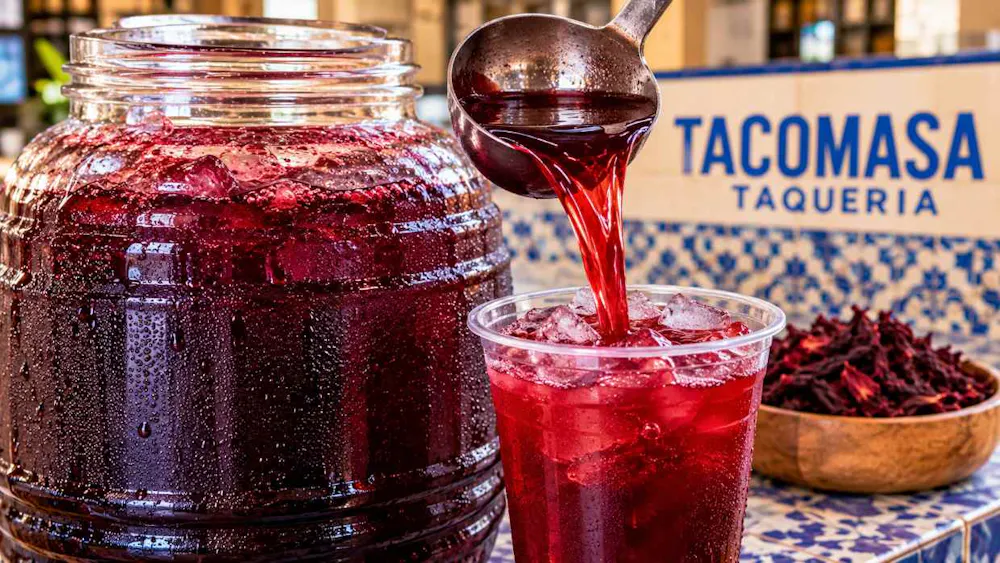
A vitrolero is the big, barrel-shaped jar that taquerias use to hold these drinks. Mexico News Daily describes them as transparent glass or plastic containers, usually with a ladle or spigot.
The clear sides are the point. Like a bakery window, the vitrolero lets you see every flavor at once and pick by color before you even read the menu.
What are the most popular agua fresca flavors?
The most popular agua fresca flavors fall into a few families: flowers, sweet fruits, fruit and vegetable blends, and creamy grain drinks. Here are the classics you’ll see most often:
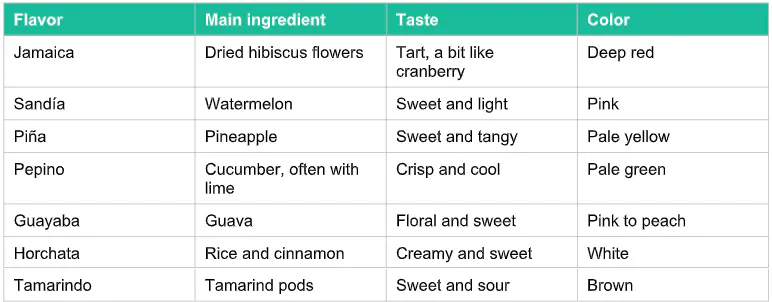
The Mexican government’s own list of top flavors, as cited by Tasting Table, includes chía with lime, horchata, hibiscus and tamarind.
What is agua de jamaica?
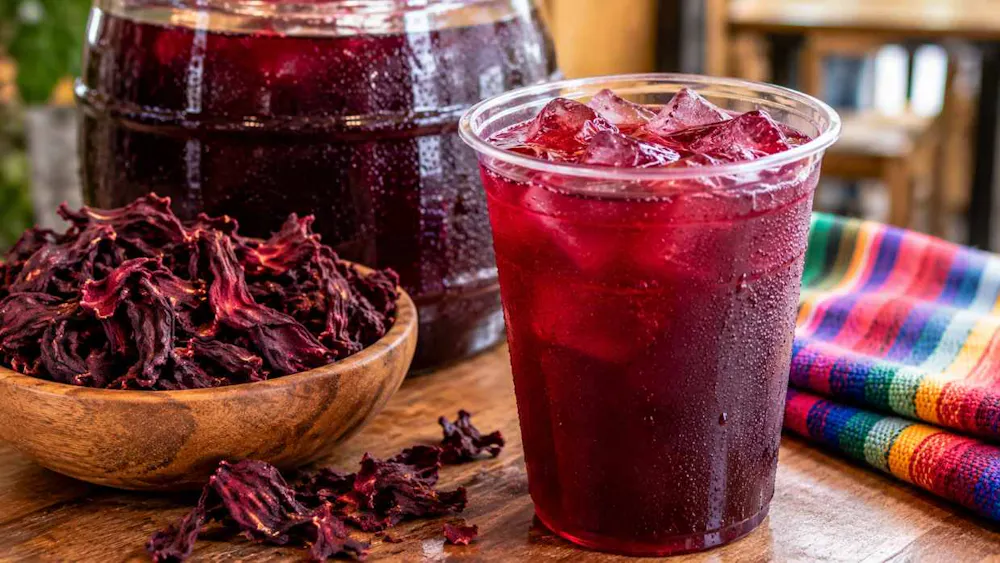
Agua de jamaica is a deep red drink made by steeping dried hibiscus flowers (flor de jamaica) in water, then sweetening and chilling it. It’s essentially iced hibiscus tea, and in Mexico it’s one of the most common flavors.
Wikipedia’s hibiscus tea page says the drink is made from the calyces of the roselle plant, Hibiscus sabdariffa, and has a tart, cranberry-like flavor.
The jamaica drink is our pick if you don’t like very sweet drinks. The tartness cuts through rich meats the way a squeeze of lime does.
What is agua de sandia?
Agua de sandía is watermelon blended with water and a little sugar, then strained and served cold. It tastes like watermelon juice, just lighter and easier to drink with a meal.
It’s often the first one kids and first-timers try, because everyone already knows the flavor. A squeeze of lime juice brightens it up.
What is agua de pepino con piña?
Agua de pepino con piña is a blend of cucumber and pineapple. Think of it as cucumber pineapple juice thinned with water: the pineapple brings sweetness and the cucumber keeps it cool and crisp.
If you’ve ever had cucumber water at a spa, this is the taqueria version with more flavor. It’s one of the most refreshing choices on a hot day in Southern California.
What is agua de guayaba?
Agua de guayaba is made from guava blended with water and sugar. Guava has a floral, tropical sweetness, so it tastes a little like guava juice crossed with a light fruit punch.
At Tacomasa we pair it with pineapple and lime for piña y guayaba con limón. The lime keeps the guava from tasting too sweet.
What about horchata?
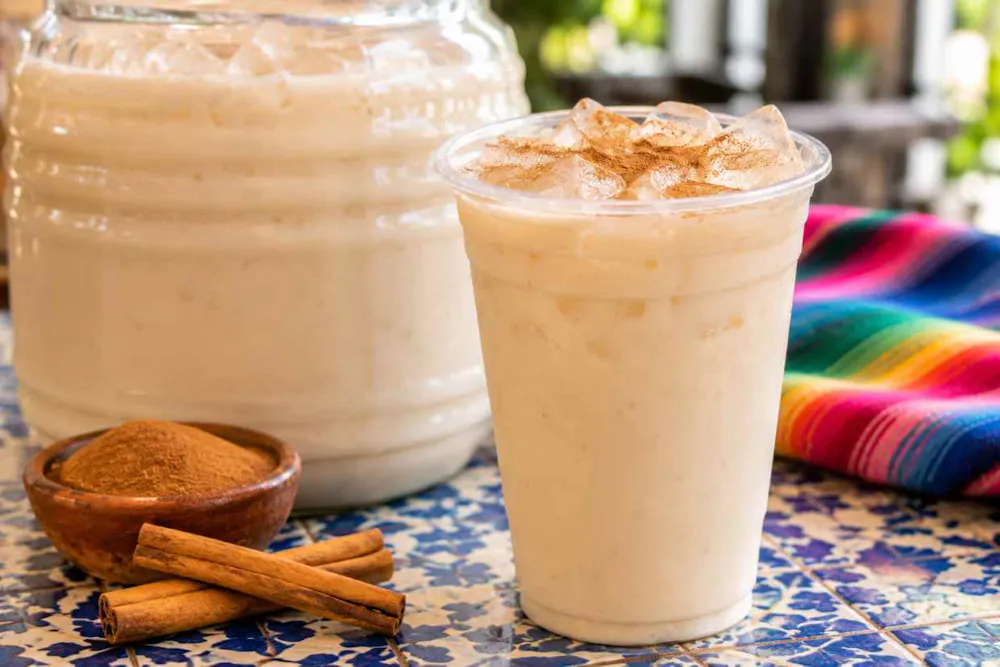
Horchata is the creamy one in the lineup, made from rice, cinnamon and sugar. It’s technically an agua fresca, but it tastes more like dessert than fruit. We cover it fully in our guide to what horchata is and how it’s made.
Which flavors do we serve at Tacomasa?
At Tacomasa, we serve five refrescos (our menu’s word for these drinks). Every one is listed on our current menu:
- Horchata: creamy rice and cinnamon.
- Jamaica: tart hibiscus.
- Pepino con piña: cucumber and pineapple.
- Sandía: watermelon.
- Piña y guayaba con limón: pineapple and guava with lime.
We’ll be straight with you: there’s no wrong choice, but match the drink to the food. Jamaica and pepino con piña cut through rich meats like adobada or tripa. Horchata cools down spicy salsa. Sandía goes with everything.
Our Taco Combo, 2 tacos con todo with arroz, frijoles and a drink, is an easy way to try one. New to the toppings? Our guide to what con todo means explains them.
Are aguas frescas healthy?
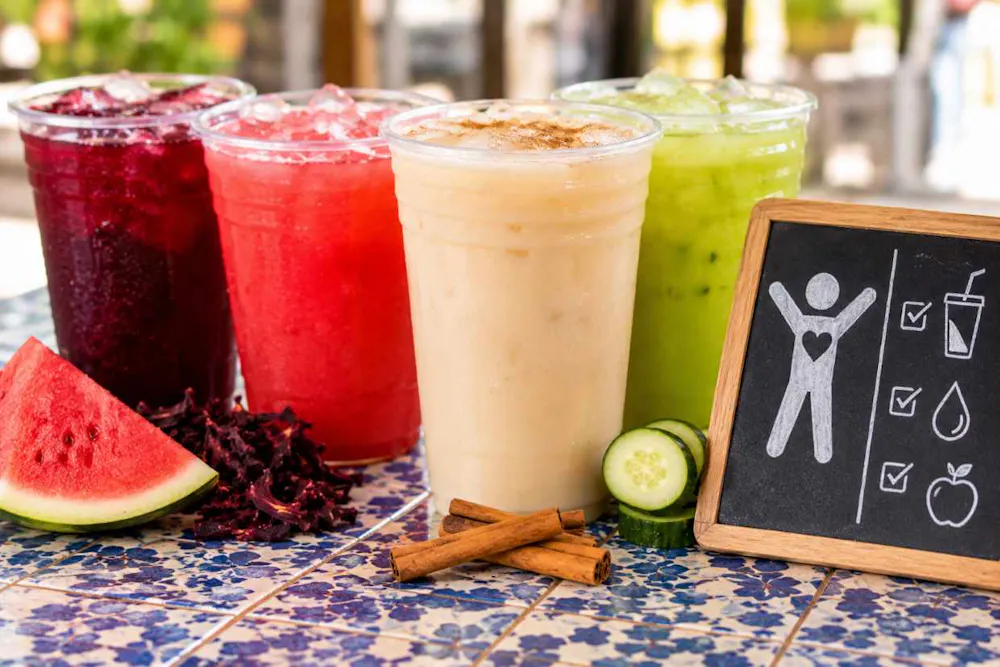
They’re lighter than soda, but most still contain added sugar. Mexico News Daily notes that sugar is the most common sweetener and that nearly all of these drinks use it.
That makes them a good swap for soda among non-alcoholic drinks, but they aren’t the same as plain water. Fruit-based flavors like sandía and pepino tend to taste less sweet than horchata. If you’re watching sugar, ask how sweet a flavor is before you order.
This is general information, not medical advice. If you’re managing blood sugar or a specific diet, check with your doctor or a dietitian.
Where can you get aguas frescas in Southern California?
You can order all five of our refrescos at every Tacomasa location in Long Beach, Cypress, El Segundo and Brea. Find hours and addresses on our locations page.
Frequently asked questions
Are aguas frescas alcoholic?
No. They’re traditionally non-alcoholic, made from fruit, flowers, grains or seeds with water and sugar. Some bars use them as cocktail mixers, but the drinks served from a vitrolero at a taqueria have no alcohol and are made for all ages.
What is the difference between agua fresca and juice?
Juice is mostly the liquid from fruit, often with nothing added. An agua fresca blends fruit with plenty of water and a little sugar, so it’s lighter and less concentrated. That’s why a glass of sandía tastes more like a cool drink than watermelon juice straight from the fruit.
Does agua de jamaica have caffeine?
Agua de jamaica is made from dried hibiscus flowers, not tea leaves, so it doesn’t contain the caffeine found in black or green tea. That makes it an easy choice for an afternoon or evening drink, or for kids. If a café blends it with tea, ask before ordering.
How long do aguas frescas last?
Homemade batches are best within a day or two in the fridge. Fruit flavors start to separate and lose freshness quickly, so stir before pouring. If one smells fermented or tastes fizzy when it shouldn’t, throw it out.
Can you mix agua fresca flavors?
Yes, and plenty of taquerias already do. Combos like pepino con piña or piña y guayaba con limón are mixes in their own right. Some customers also ask for half jamaica and half horchata in one cup, so ask if a shop is willing.
What do people eat with aguas frescas?
They go with almost any Mexican meal, especially tacos, burritos and other spicy or rich dishes. They’re among the best drinks with tacos because the cold, fruity flavor balances salsa and fatty meats. Mexico News Daily also notes that lunch is a classic time for them.
The bottom line
Aguas frescas are light Mexican drinks made from fruit, flowers, grains or seeds blended with water and sugar, a tradition that goes back to the Aztecs. Jamaica is tart, sandía is sweet, pepino con piña is crisp and horchata is creamy.
Our advice is to pick one by color, pair it with tacos, and try a different one next time. All five are on our Tacomasa menu.